The Rise of the Luxury Farm Stay
Where Land, Legacy, and Living Well Converge
The land was always there — the vineyards, the olive groves, the heritage livestock grazing on morning fog. What has changed is how we understand its worth. A generation that once fled the countryside for city lights is now paying a premium to return, seeking something harder to bottle than any wine: the feeling of a life lived in step with the seasons.
Luxury farm stays have emerged as one of the defining travel movements of our time. The global agritourism sector stood at an estimated $73 billion in 2024, on a trajectory toward $205 billion by 2033 — and in 2026, some 84% of travelers report a desire to stay on or near a working farm. But the numbers tell only part of the story. What is driving this shift is a deeper hunger: for rootedness, for provenance, for land that means something.
Not every rural retreat earns the name. The most enduring farm stays share a specific quality: hospitality grew from an existing agricultural identity, rather than the reverse. The farm came first. Everything else followed. That distinction — invisible to the casual eye — is precisely what the most discerning travelers have learned to feel.
Heckfield Place — Hampshire, England
An hour from London, on 400 acres of ancient Hampshire countryside, Heckfield Place has become one of the most admired hotels in Britain. At its centre is a biodynamic Home Farm that drives the entire operation: Marle, the estate restaurant holding a Michelin Green Star, does not select produce to fit a menu — the menu bends to fit the harvest. The 17,000-square-foot subterranean spa, the wild swimming lake, the restored Georgian house — all of it orbits the farm. That inversion of priorities is what makes Heckfield Place feel genuinely different.
Babylonstoren — Franschhoek, South Africa
One of the oldest working farms in the Cape Winelands, Babylonstoren was first granted as a wine and wheat estate in 1692 at the foot of the Simonsberg mountains. Its 3.5-hectare garden — designed around more than 300 edible and medicinal plants — is among the most photographed in the world, but what strikes guests most is how purposefully the entire estate still functions. The farm produces wine, olive oil, honey, and fruit. The restaurants serve almost exclusively what grows here. The historic Cape Dutch werf, among the best preserved in South Africa, reminds visitors that this is not a concept — it is a place with three centuries of memory.
Blackberry Farm — Walland, Tennessee, USA
Nestled in the Great Smoky Mountains on a 4,200-acre estate, Blackberry Farm has been described as the property that changed how the world thinks about luxury hospitality. Built in 1940 and shaped over five decades by the Beall family into a Relais & Châteaux landmark, it is equal parts working farm, world-class kitchen, and country retreat. Heirloom gardens, heritage livestock, a Dairy Barn, and a Larder that preserves and ferments the estate’s own harvest form the backbone of an experience that is quietly, confidently unlike anywhere else. In 2026, Blackberry Farm celebrates 50 years of the Beall family’s stewardship — a half-century of proof that agriculture and excellence are not in tension.
Borgo Pignano — Volterra, Tuscany, Italy
First documented in 1139, Borgo Pignano has been farmed, inhabited, and shaped by the Tuscan landscape for nearly nine centuries. Today it is a 750-acre organic estate near Volterra, commanding some of the most extraordinary views in Tuscany — on clear days, all the way to the Mediterranean. Its 28 rooms and maisonettes are spread across beautifully restored stone buildings, and Ristorante Villa Pignano, led by Chef Stefano Cavallini and holding a Michelin Green Star, draws entirely from the estate’s own gardens and production. Borgo Pignano is one of those rare places where the word “organic” is not a certification but a centuries-long habit.
Relais Roncolo 1888 — Emilia-Romagna, Italy
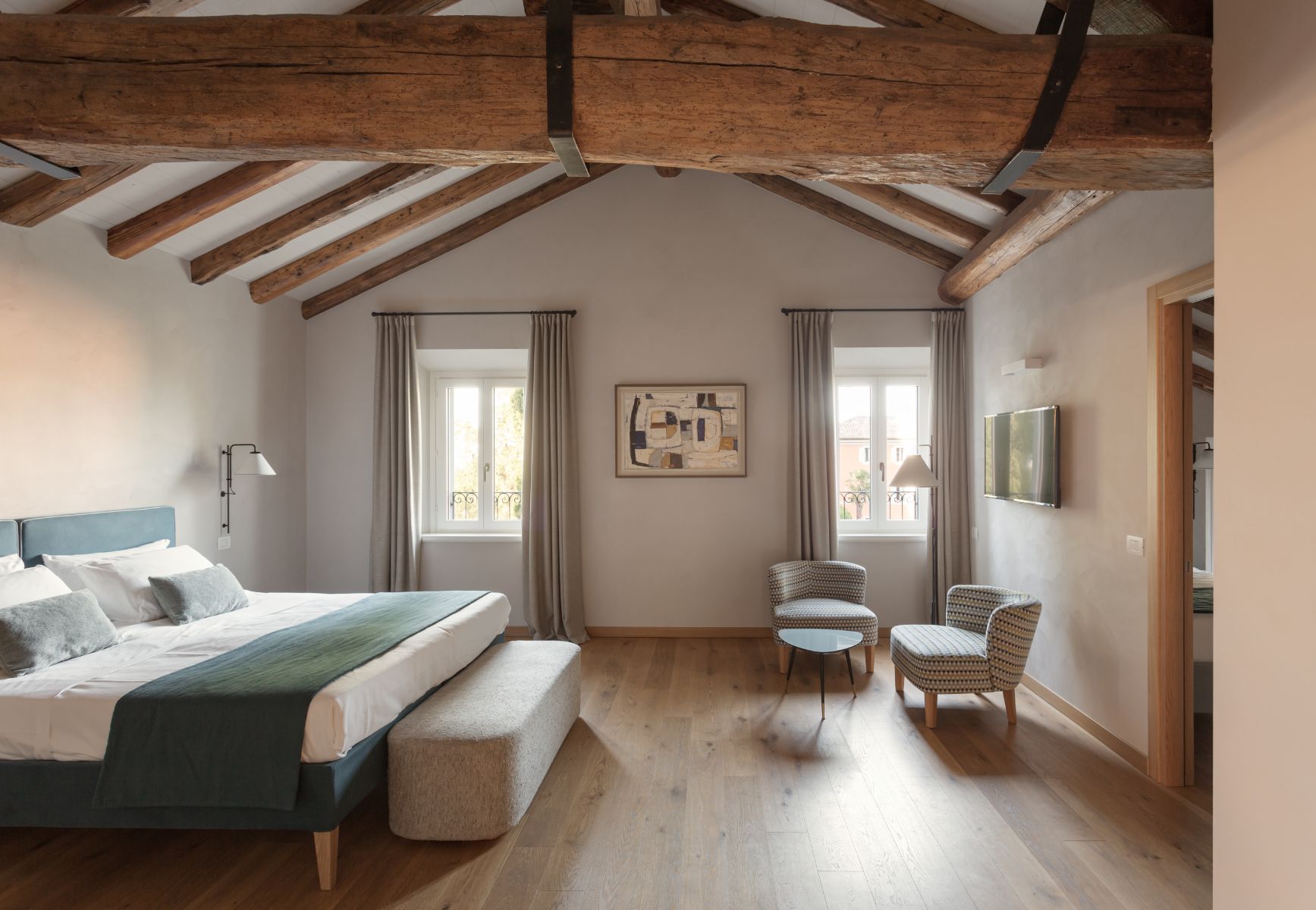
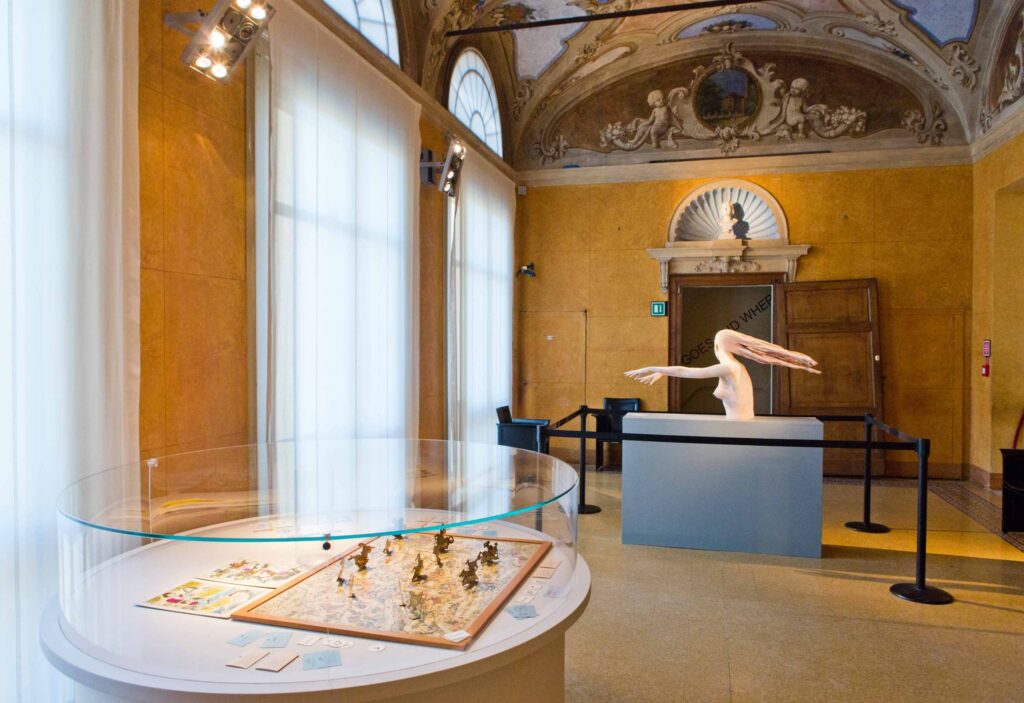
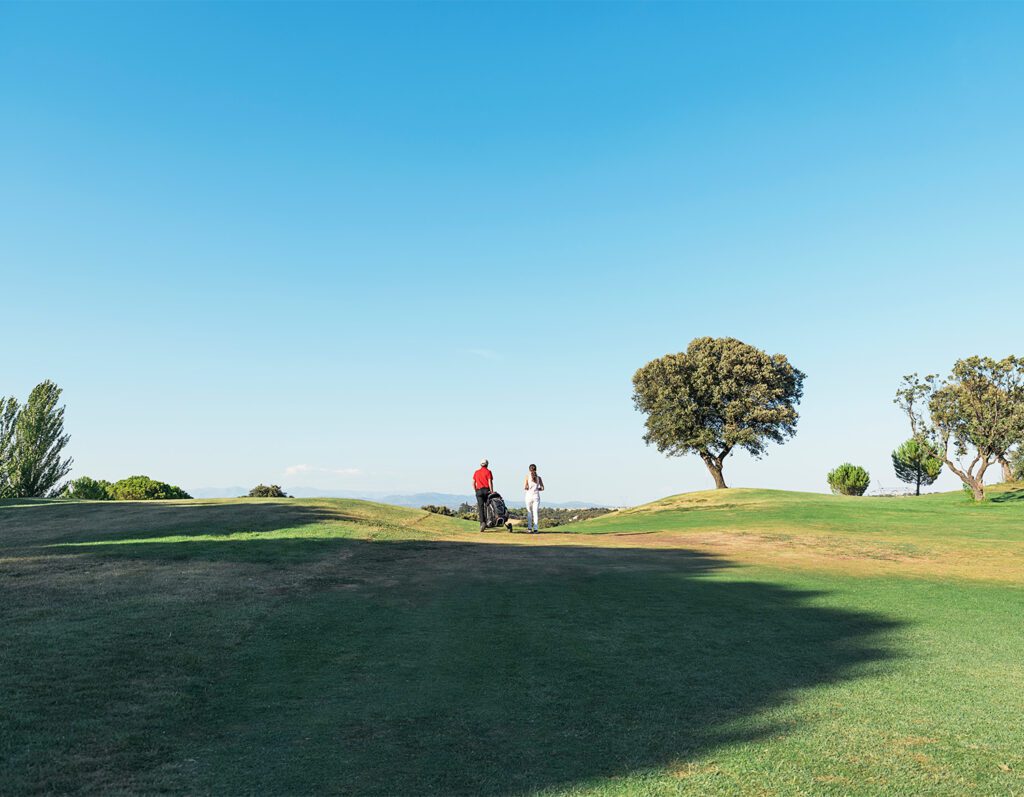
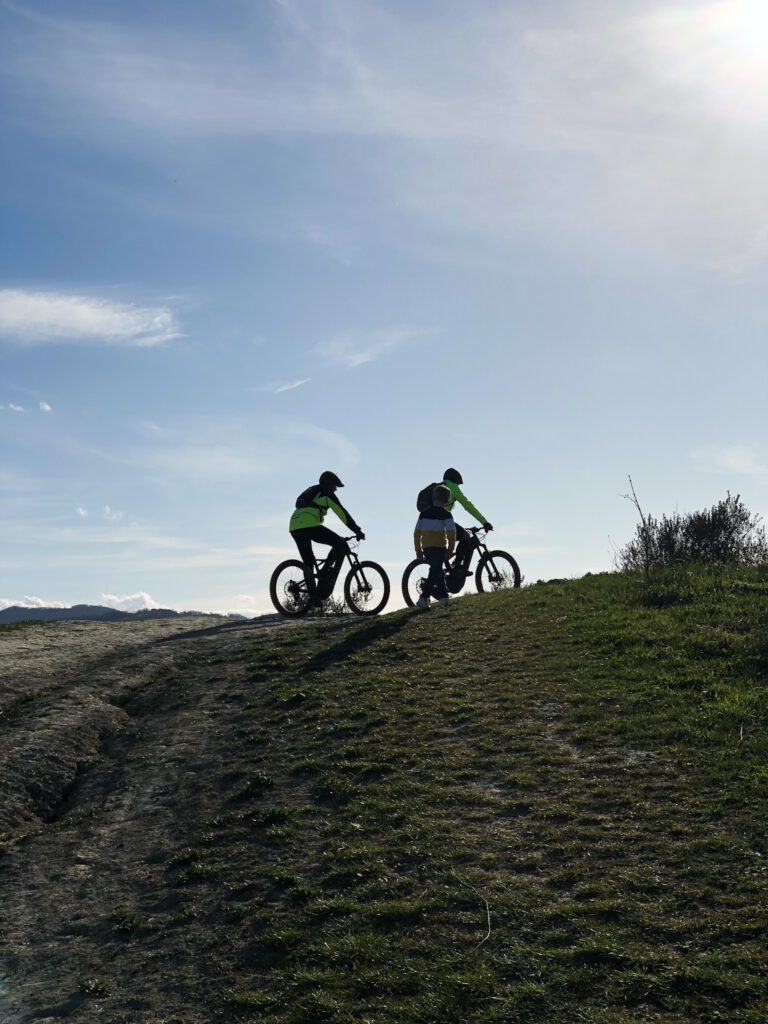
And then there is Roncolo. Nestled in the foothills of the Apennine mountains, between Parma and Reggio Emilia, Relais Roncolo 1888 sits at the heart of a 130-hectare estate whose name tells the essential truth: this land has been farmed continuously since 1888. The former residence of Marquis Manodori, the estate was restored not to be reimagined but to be lived in again — with its soul intact. Across the hamlet, 17 rooms and suites are distributed among historic buildings, each one distinct, each one shaped by the particular light and quiet of this corner of Emilia-Romagna.
The estate has been certified organic since 1994 — a commitment made a generation before sustainability became a selling point. In 2025, Roncolo became a certified B Corp, joining a small group of hospitality properties worldwide to meet that standard. It is almost entirely energy self-sufficient, plastic-free, and naturally ventilated. These are not features. They are the logical expression of an agricultural philosophy that has never changed.
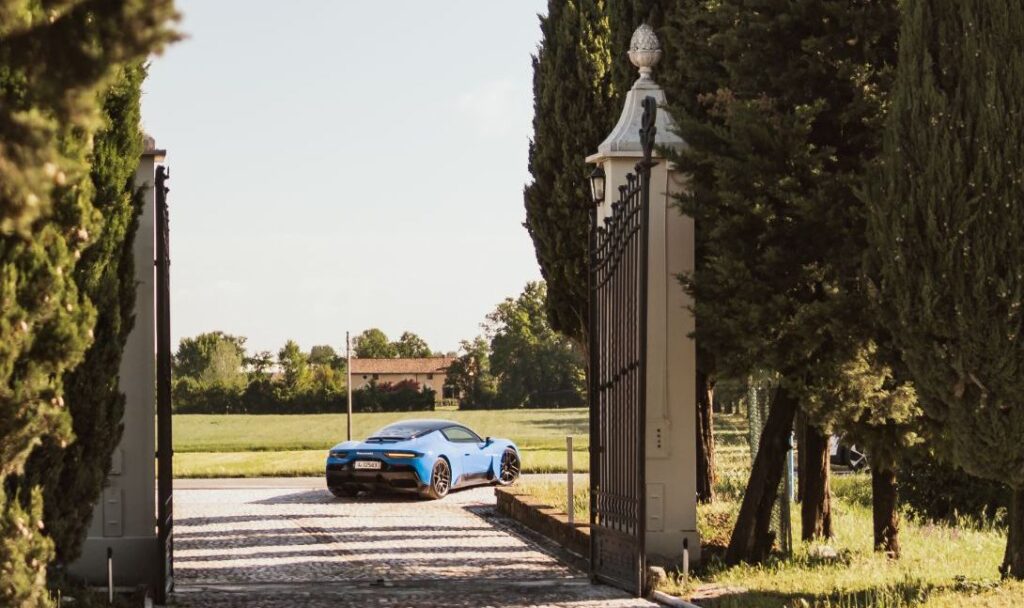
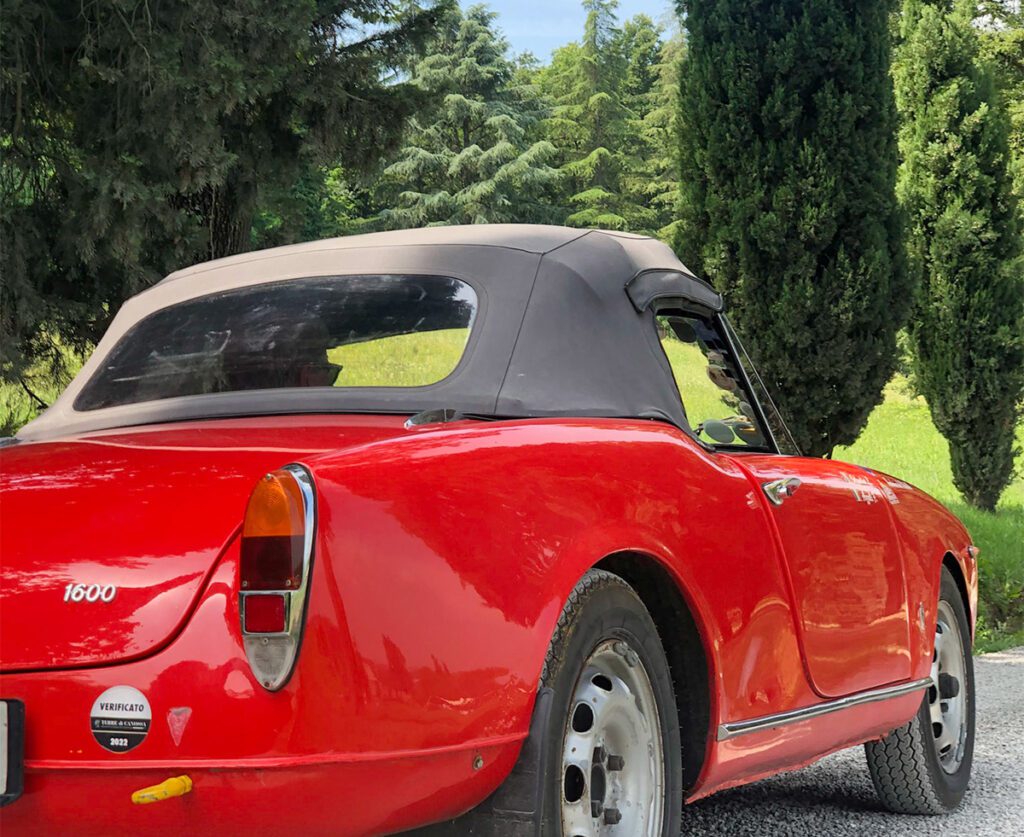
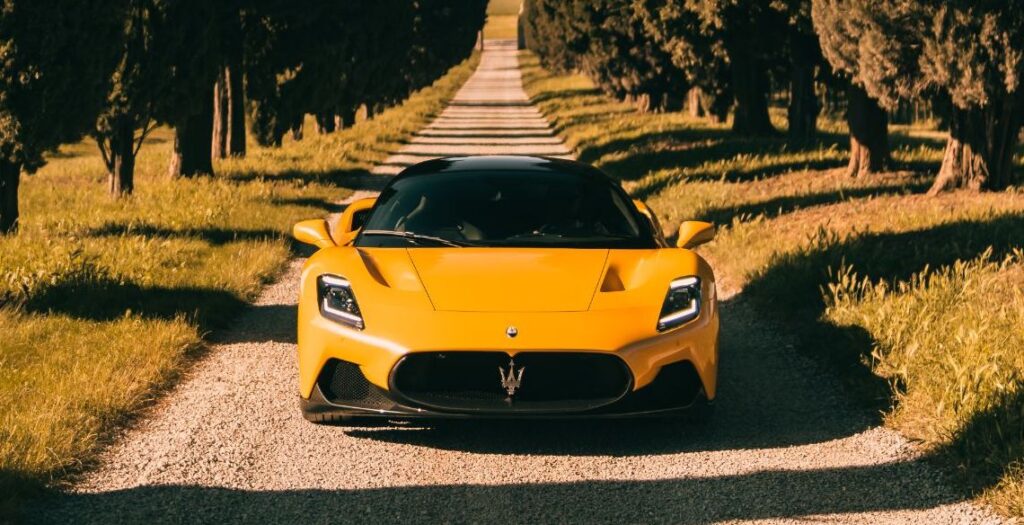
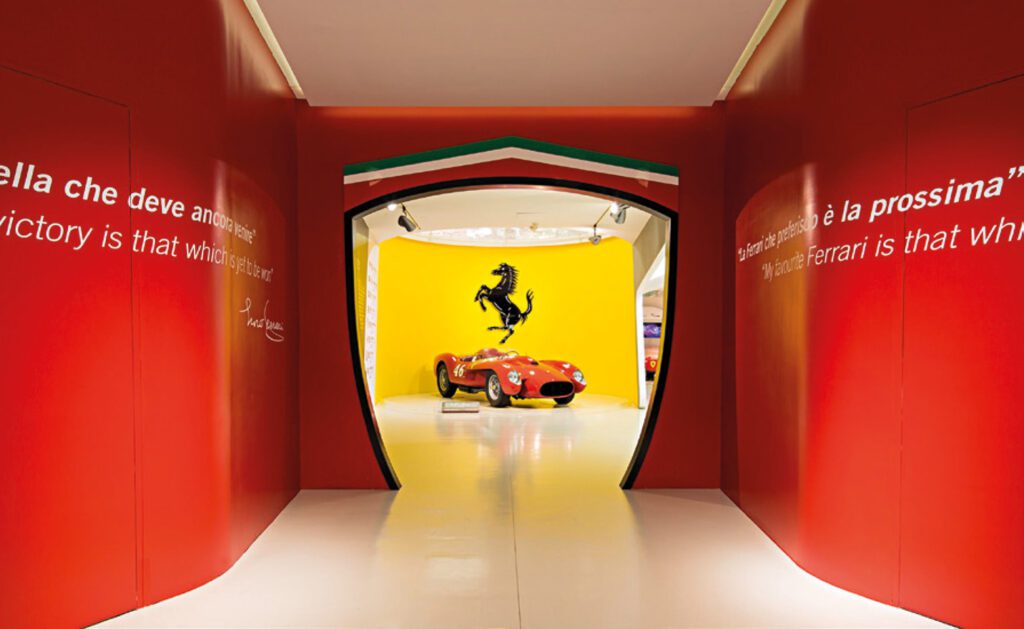
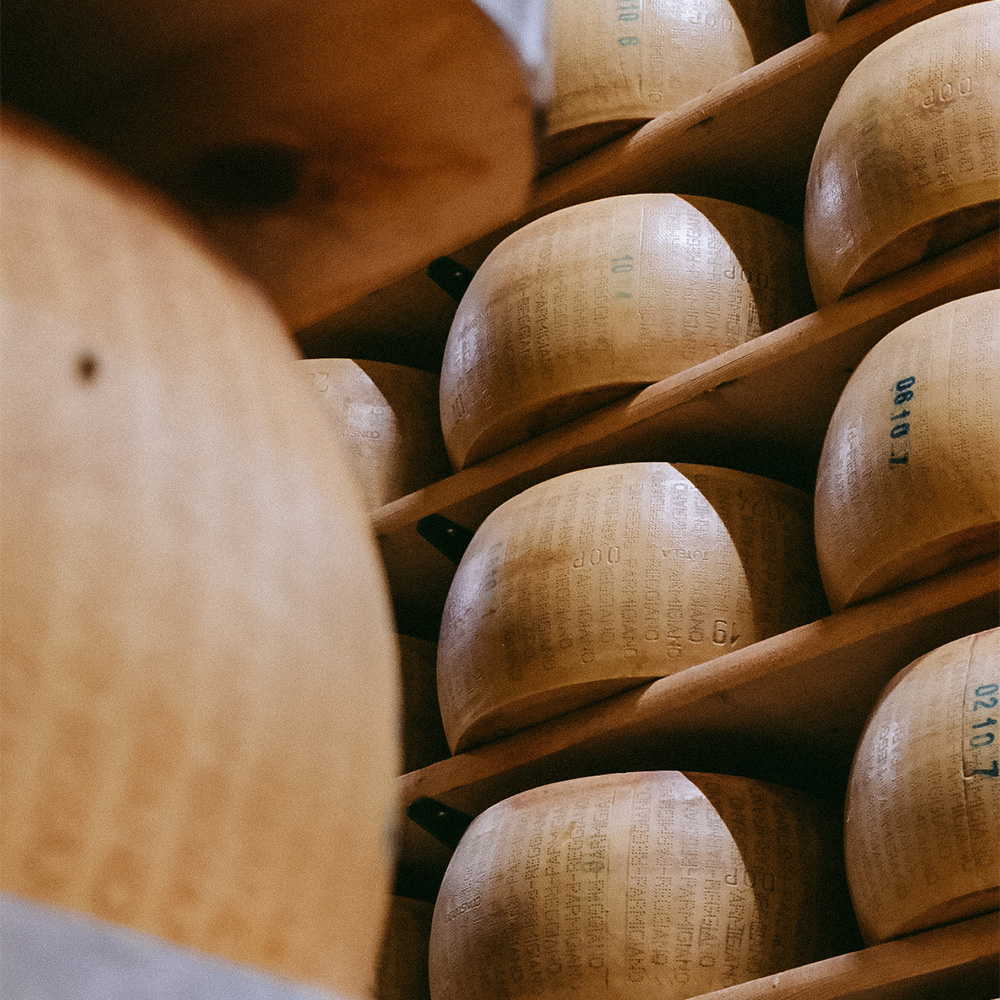
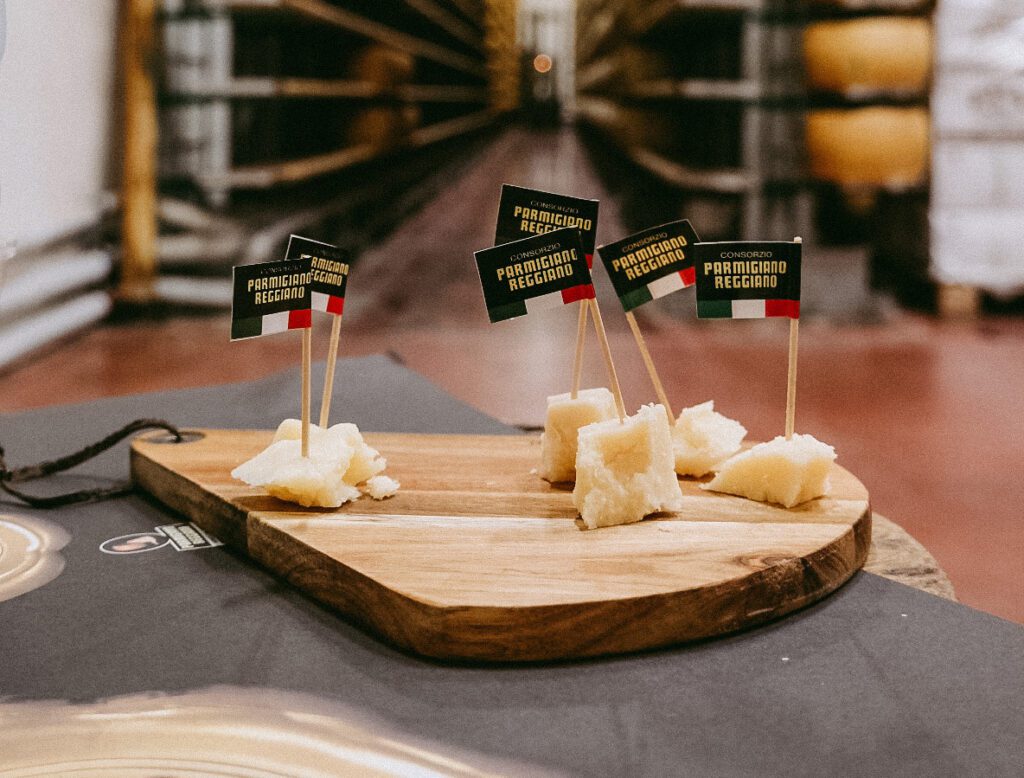
Ristorante Limonaia draws from the deep culinary heritage of Emilia-Romagna — one of Italy’s most distinguished and least compromised food traditions — with a seasonal menu that answers to the land, not to trends. The estate produces award-winning wines and olive oils. And Roncolo sits at a crossroads that is uniquely its own: the “Slow Food and Fast Cars” experience it offers guests reveals that the Food Valley and Motor Valley of Emilia-Romagna are not opposites. They are two expressions of the same regional obsession — precision, passion, and a refusal to do anything less than exceptionally well.
What These Places Share
Across the Smoky Mountains and the Cape Winelands, across Tuscany and Emilia-Romagna and the Hampshire countryside, these estates share a single conviction: that the most meaningful hospitality is inseparable from the land that produces it. Not a branded idea of land, but the actual soil — the specific microclimate, the particular olive variety, the grape that grows here and nowhere else quite the same.
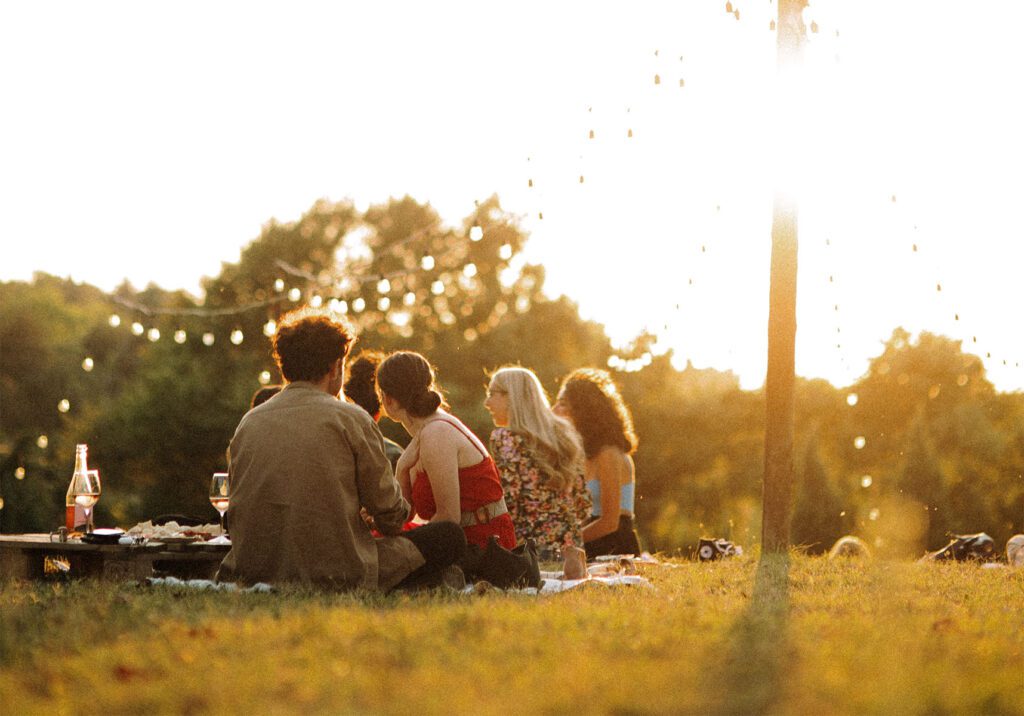
In a world increasingly skilled at simulating authenticity, the genuine article is becoming rarer and more valuable. The luxury farm stay at its best is not a category of accommodation. It is a different relationship with time — with where food comes from, with what a landscape remembers, with the satisfaction of arriving somewhere that was already itself before you got there.
For those ready to look beyond the obvious, the land is waiting.