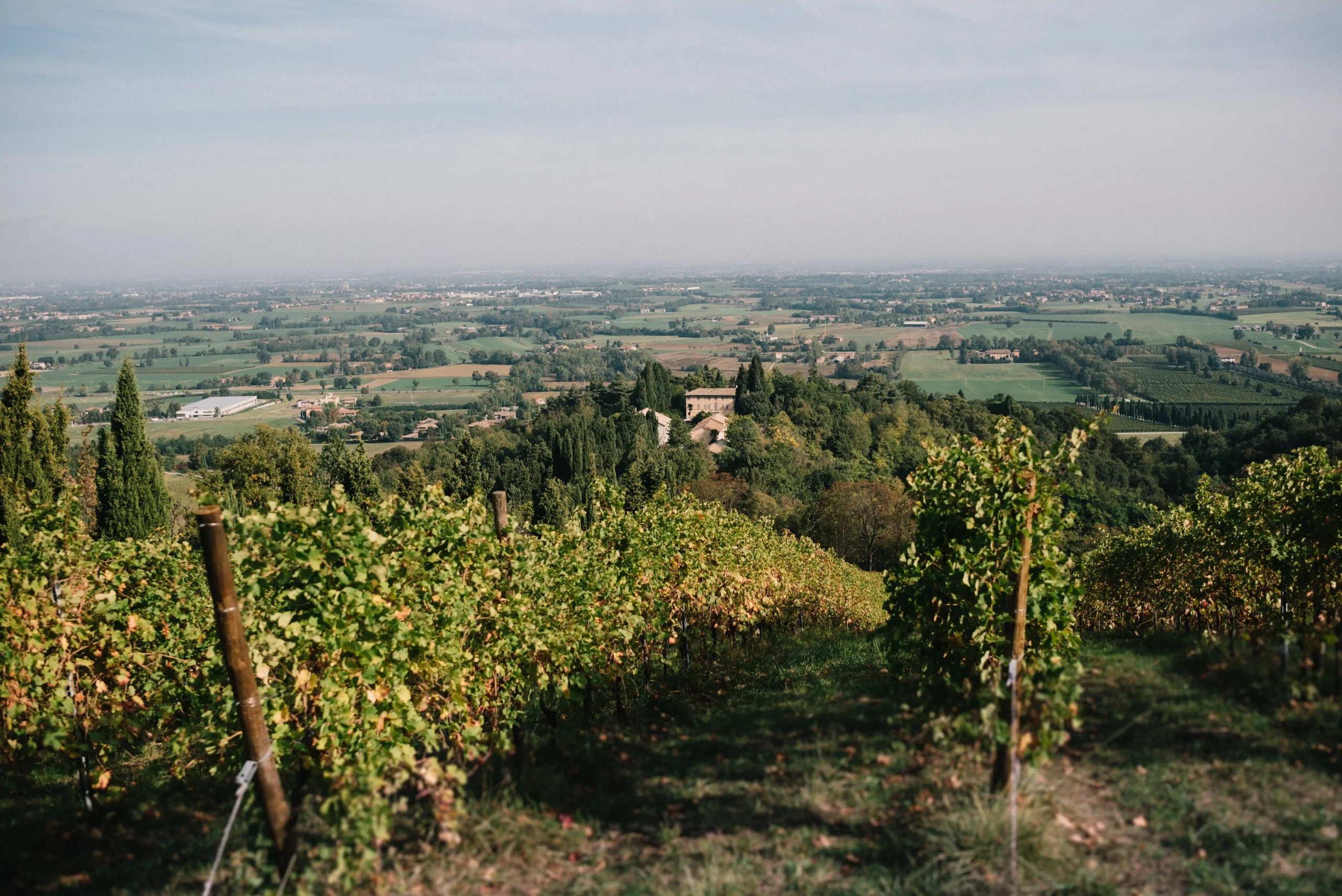
The Region That Made Italy Famous
Why Emilia-Romagna is Italy's most compelling — and most underrated — luxury destination
Make a list of everything that defines Italy to the world. Parmigiano-Reggiano. Prosciutto di Parma. Aceto Balsamico Tradizionale. Lambrusco. Ferrari. Lamborghini. Maserati. Ducati. Bolognese sauce. Tortellini. Now look at a map. Almost all of it comes from the same place: a single stretch of land between the Po Valley and the Apennine mountains, following the line of the ancient Roman road called the Via Emilia. Welcome to Emilia-Romagna.
Italy’s most productive, most creative, most quietly brilliant region has spent decades feeding and delighting the world while remaining, somehow, largely undiscovered as a travel destination. That is changing — and for those paying attention, the window to experience it before the crowds arrive is still open.
The Food Valley
Emilia-Romagna holds more protected food designations — DOP and IGP — than any other Italian region. This is not a coincidence of geography. It is the result of centuries of obsessive attention to craft, to terroir, to the particular way that milk from a specific breed of cow, fed on a specific diet, in a specific microclimate, produces a cheese that cannot be replicated anywhere else on earth.
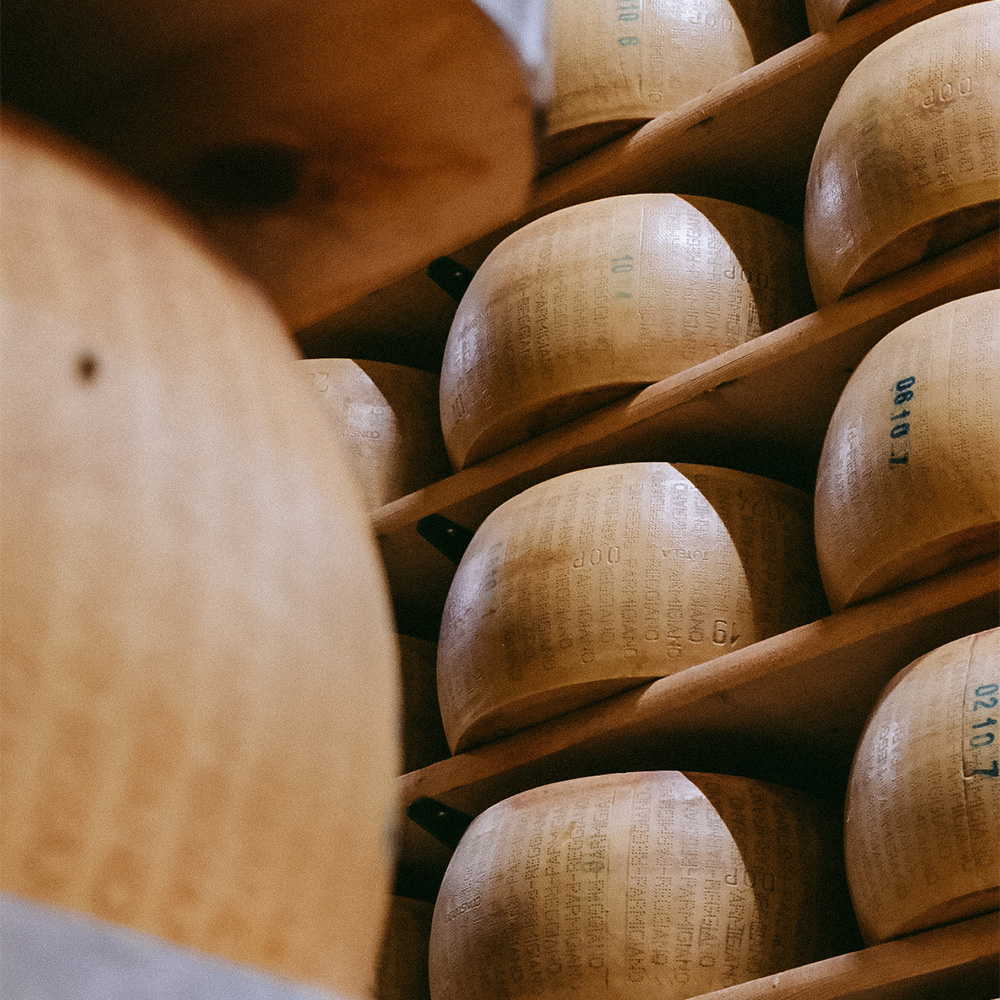
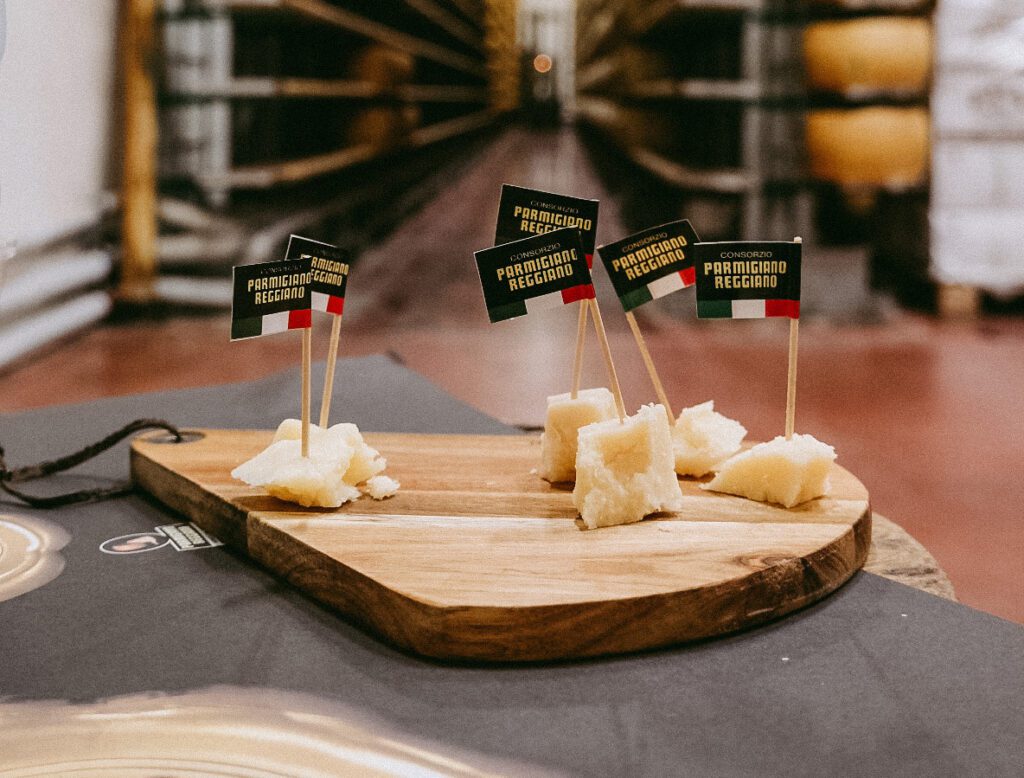
Parmigiano-Reggiano is produced exclusively in the provinces of Parma, Reggio Emilia, Modena, and parts of Mantua and Bologna — aged for a minimum of 12 months, often 24 or 36, in wheels that weigh 40 kilograms each. Prosciutto di Parma is cured in the specific microclimate of the hills south of Parma, where the air from the Apennines does something to the meat that nowhere else can replicate. Aceto Balsamico Tradizionale di Reggio Emilia and di Modena — the genuine article, aged for a minimum of 12 years, often 25 — is produced in the attics of family homes in the hills, following methods unchanged for centuries. And Lambrusco, long misunderstood abroad, is experiencing a renaissance: dry, complex, and deeply expressive of its Emilian terroir, the best examples now appear on wine lists at the world’s finest restaurants.
The Motor Valley
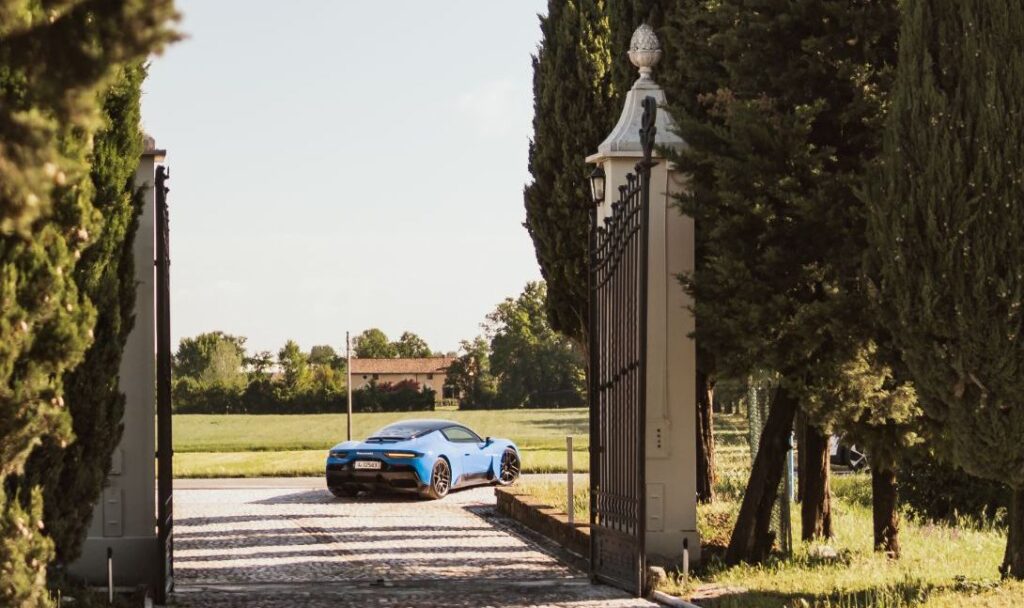
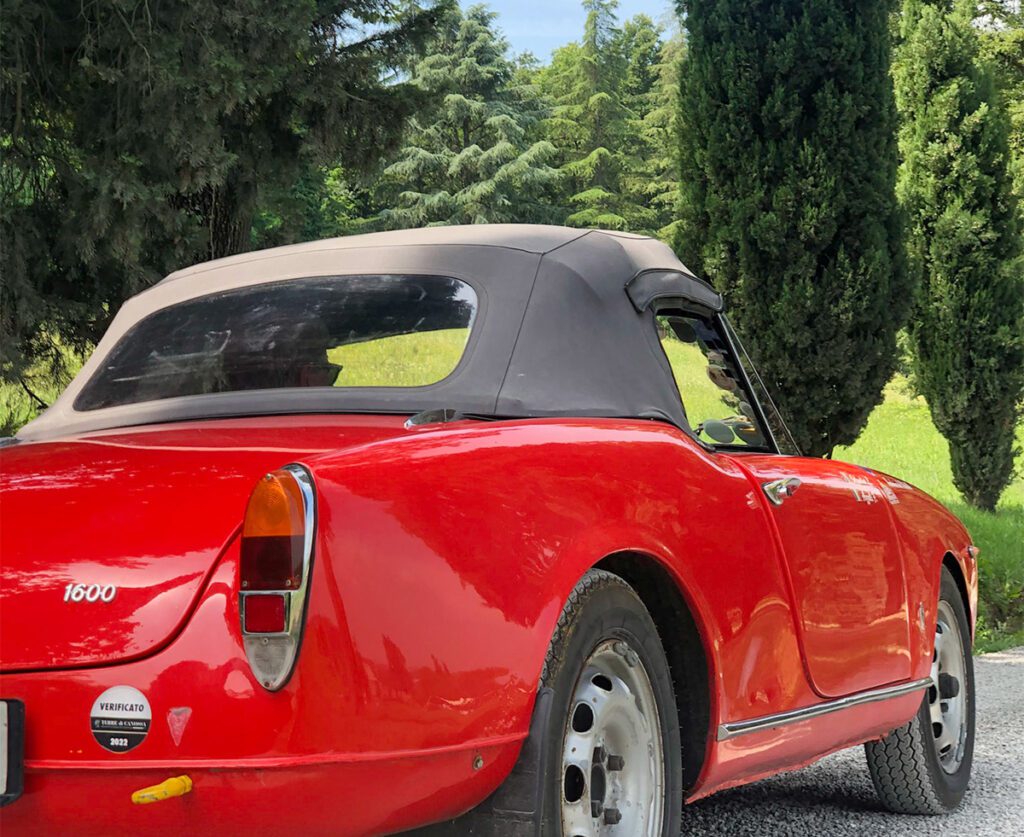
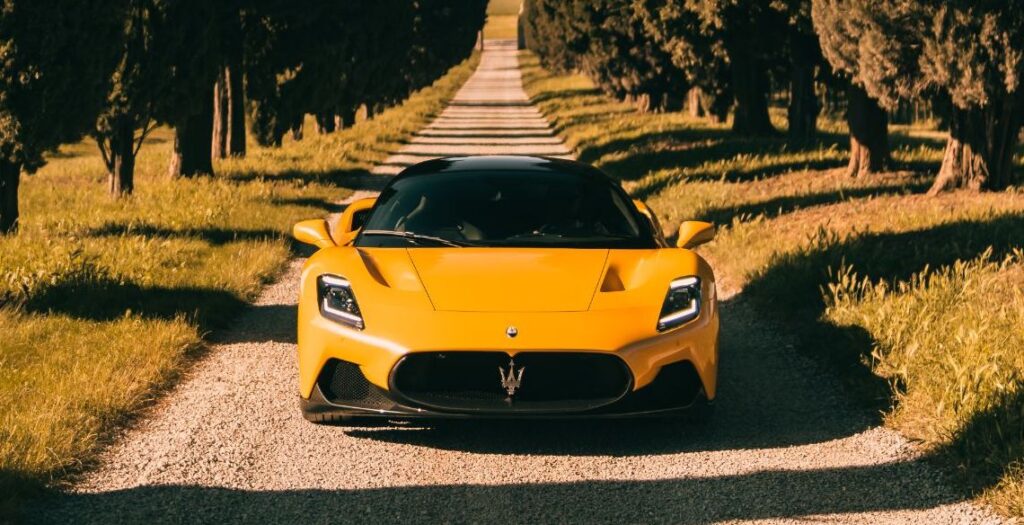
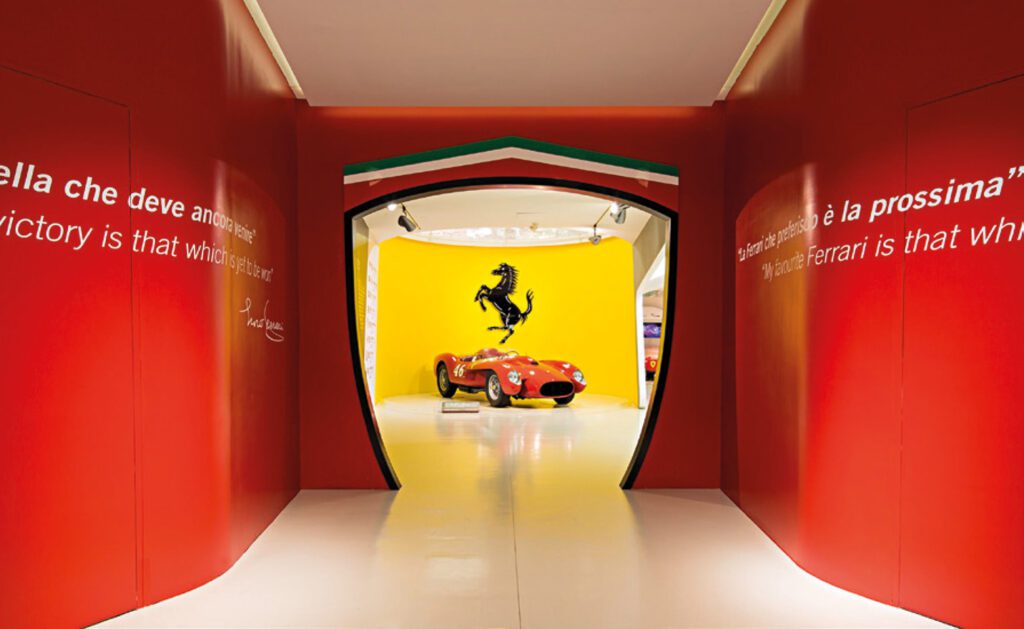
Within a 60-kilometre radius of Modena, the following were all born, designed, and are still produced: Ferrari, Lamborghini, Maserati, Pagani, and Ducati motorcycles. This is not coincidence either. The Motor Valley emerged from the same regional character that produced the Food Valley — a relentless commitment to craft, to precision, to doing things better than they need to be done. The Ferrari museum in Maranello, the Lamborghini museum in Sant’Agata Bolognese, the Maserati factory in Modena, the Ducati museum in Bologna: each offers an immersive encounter with what it means to make something extraordinary by hand.
History Written in Stone
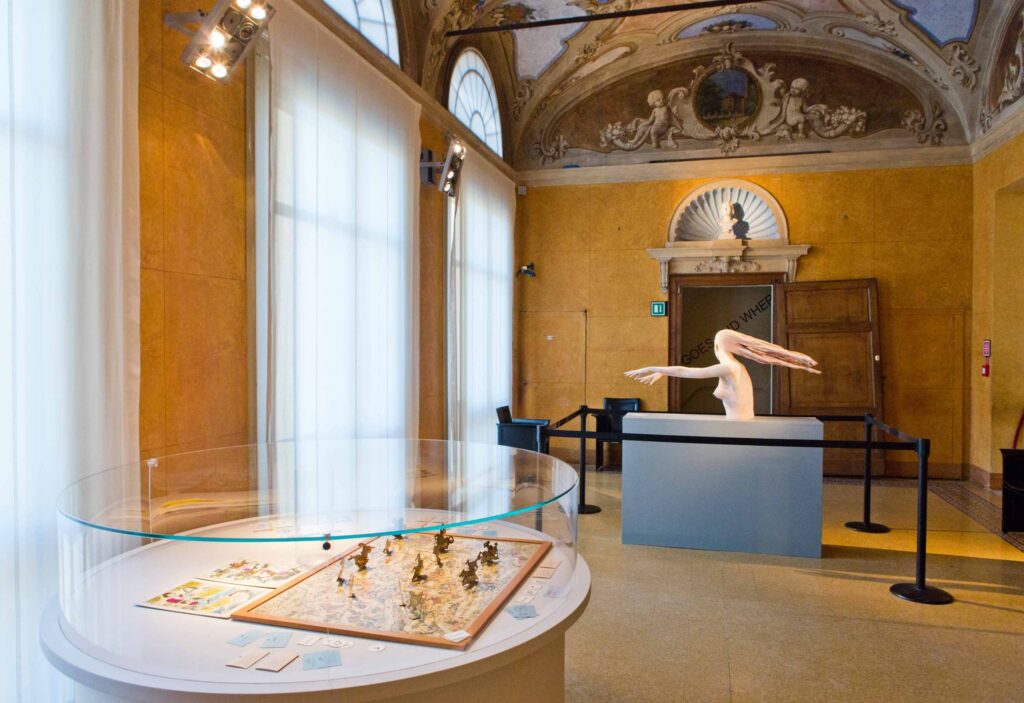
The Via Emilia, laid by the Romans in 187 BC, connects Piacenza to Rimini in a near-perfect straight line, threading through cities of remarkable depth. Bologna, one of Europe’s oldest university cities (founded 1088), with its medieval porticoes now a UNESCO World Heritage Site. Ferrara, the Renaissance capital of the Este court, where Ariosto wrote and Titian painted. Ravenna, where the finest Byzantine mosaics outside Constantinople have survived in extraordinary condition since the 5th and 6th centuries. Parma, whose opera house remains one of the most acoustically perfect in the world. Reggio Emilia, where the Italian tricolour flag was first adopted in 1797, and where Canossa — the site of one of the defining moments in European medieval history — stands in the hills above the town.
The Case for Emilia-Romagna Over Tuscany
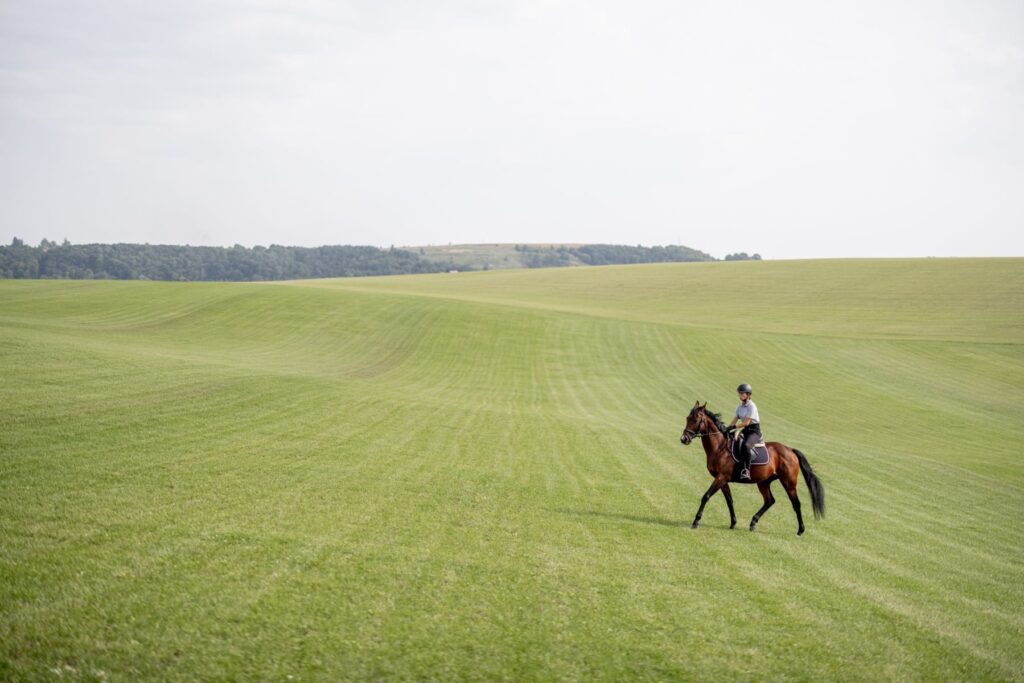
This is not a competition. Tuscany is extraordinary, and it will remain so. But for the traveler who has done Tuscany — perhaps several times — and is looking for something that delivers everything Tuscany promises and more, without the infrastructure of mass tourism that now defines the Chiantishire experience, Emilia-Romagna is the answer. The countryside is equally beautiful, the food considerably more interesting, the history no less rich, and the welcome — that particular warmth of a place that has not yet had to industrialize its hospitality — entirely genuine.
Overtourism has become the dominant concern of the discerning traveler. Emilia-Romagna remains, by most measures, refreshingly uncrowded. The cities function as cities rather than as open-air museums. The restaurants serve the people who live here, not only the people visiting. The estates and agriturismi are authentic operations, not set pieces. There is a sense — increasingly rare in European travel — of arriving somewhere that has its own internal life, entirely independent of tourism.
Where to Stay
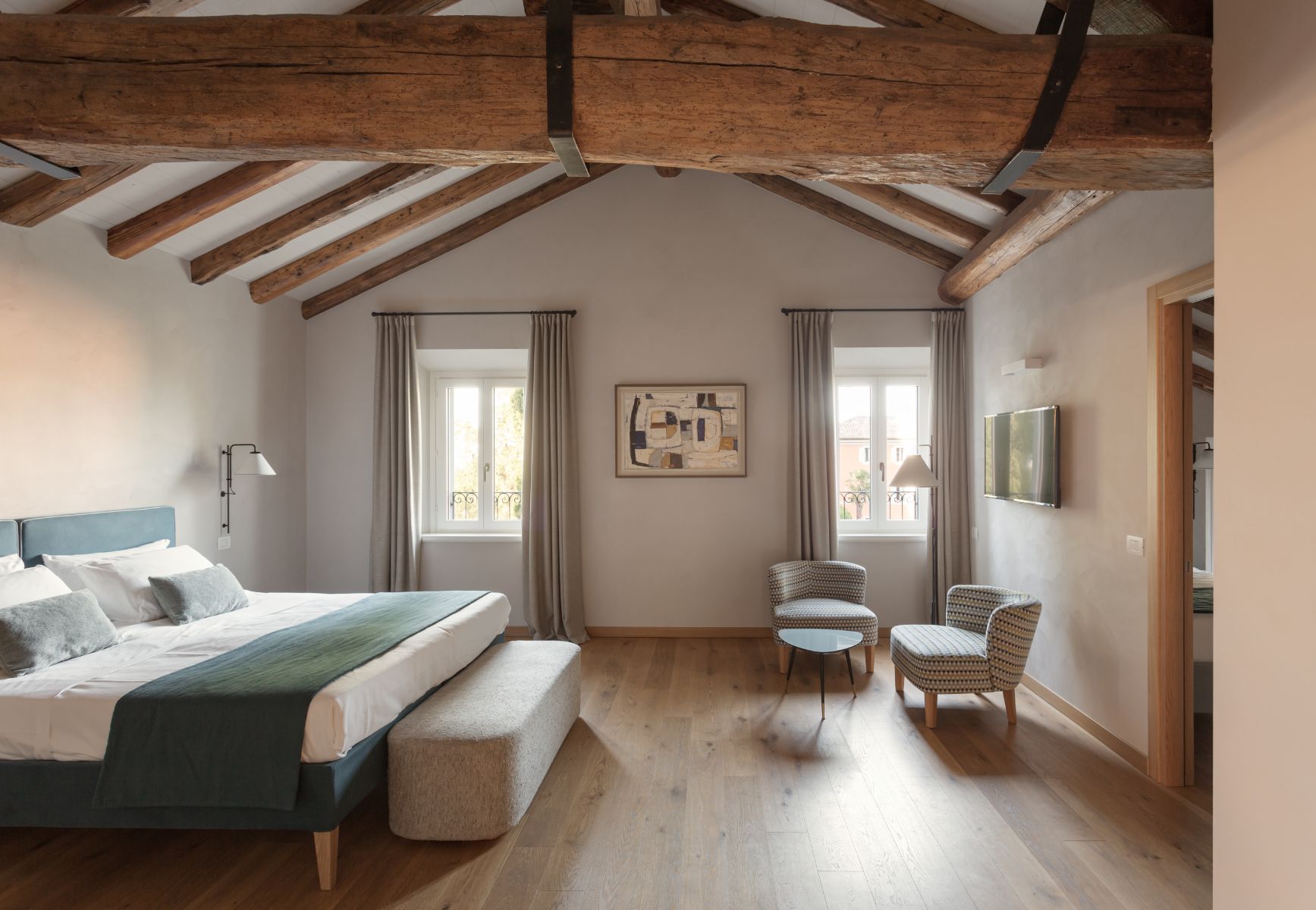
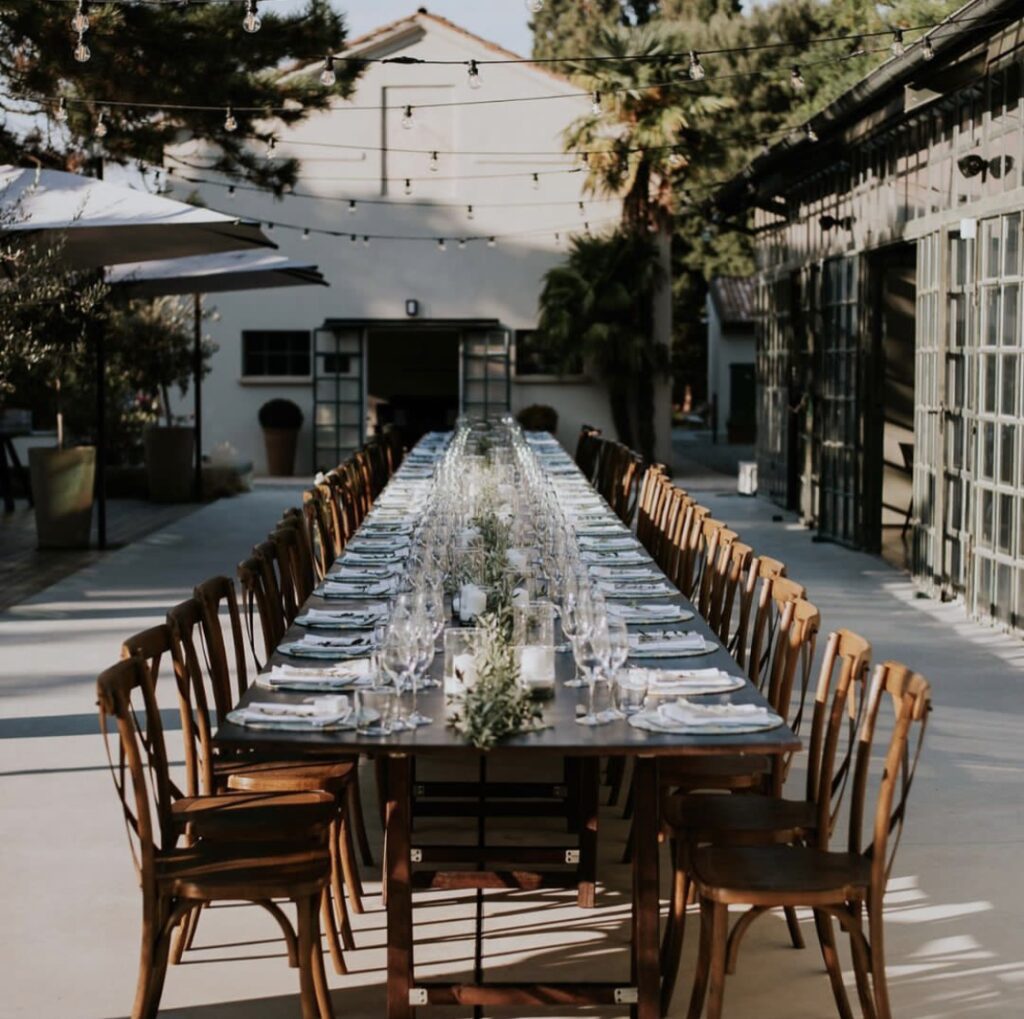
For those who want to understand Emilia-Romagna from the inside — to live, however briefly, as part of the landscape rather than passing through it — the answer is Relais Roncolo 1888. Set on a 130-hectare organic estate in the foothills between Parma and Reggio Emilia, Roncolo has been farming these hills since 1888. Its 17 rooms are distributed across a hamlet of historic buildings. Its restaurant draws entirely from the land and the region’s culinary traditions. Its wines are estate-grown and organic. And its position — at the precise crossroads of the Food Valley and the Motor Valley — makes it the most natural base from which to experience everything that makes this region irreplaceable.
Emilia-Romagna does not need to announce itself. It simply is. And for those who find it, it tends to become the place they return to when Italy calls again.